Aerodynamics
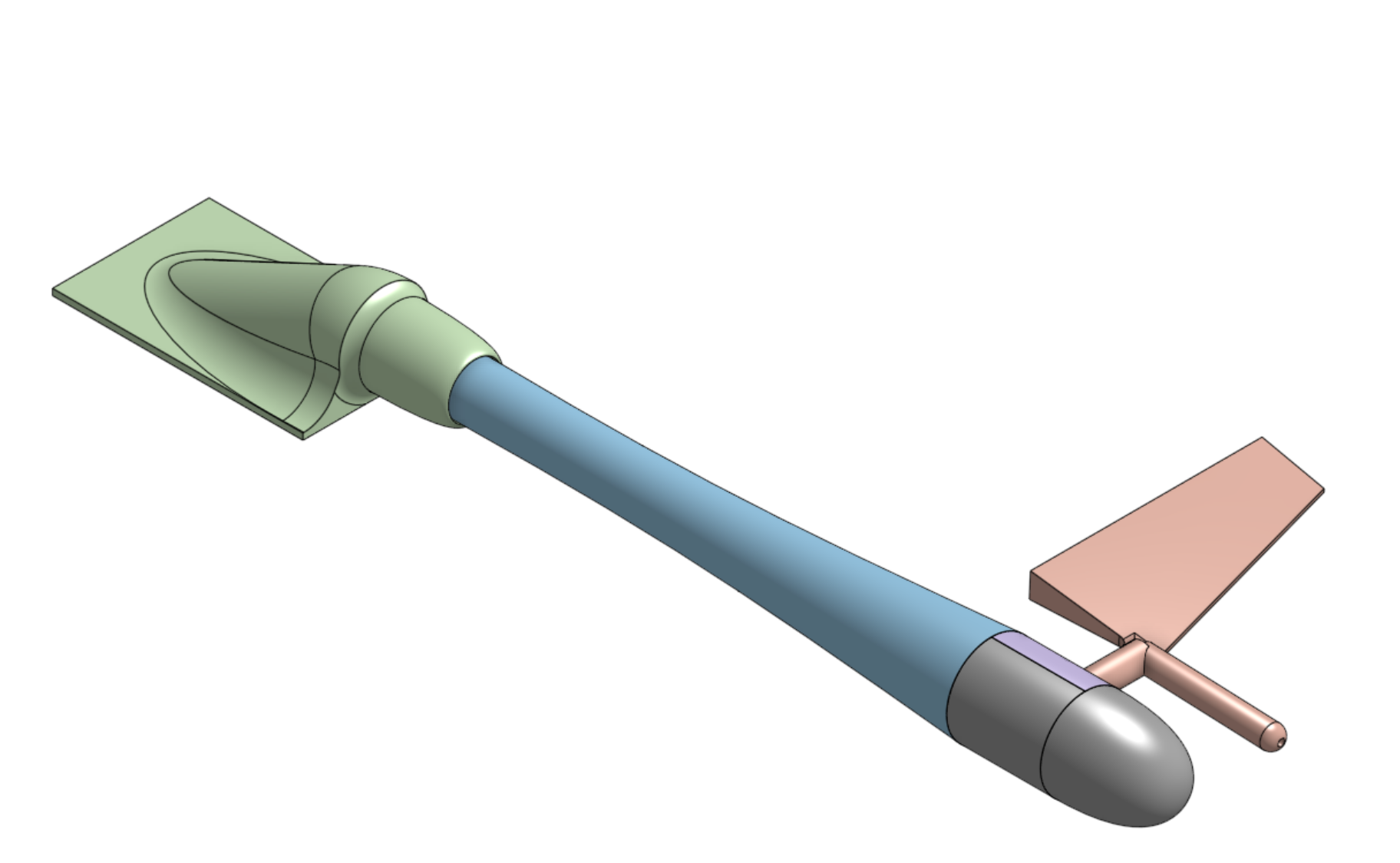
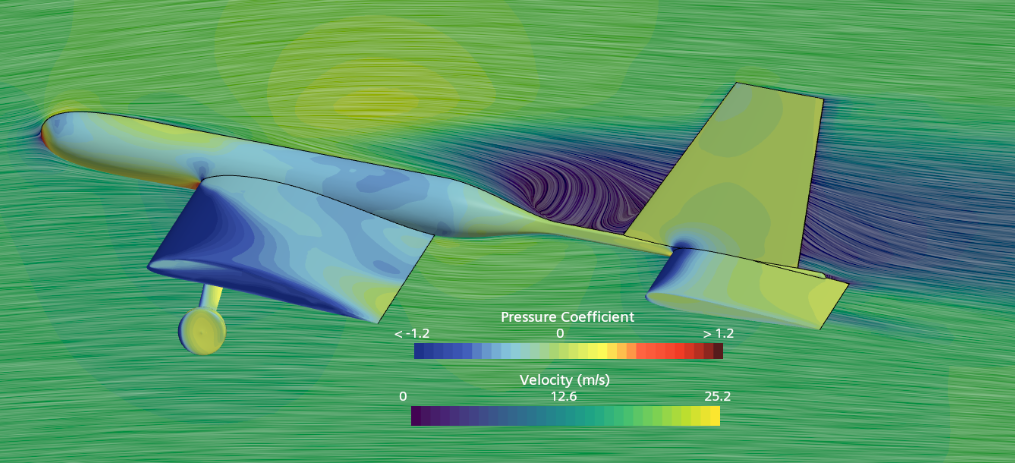
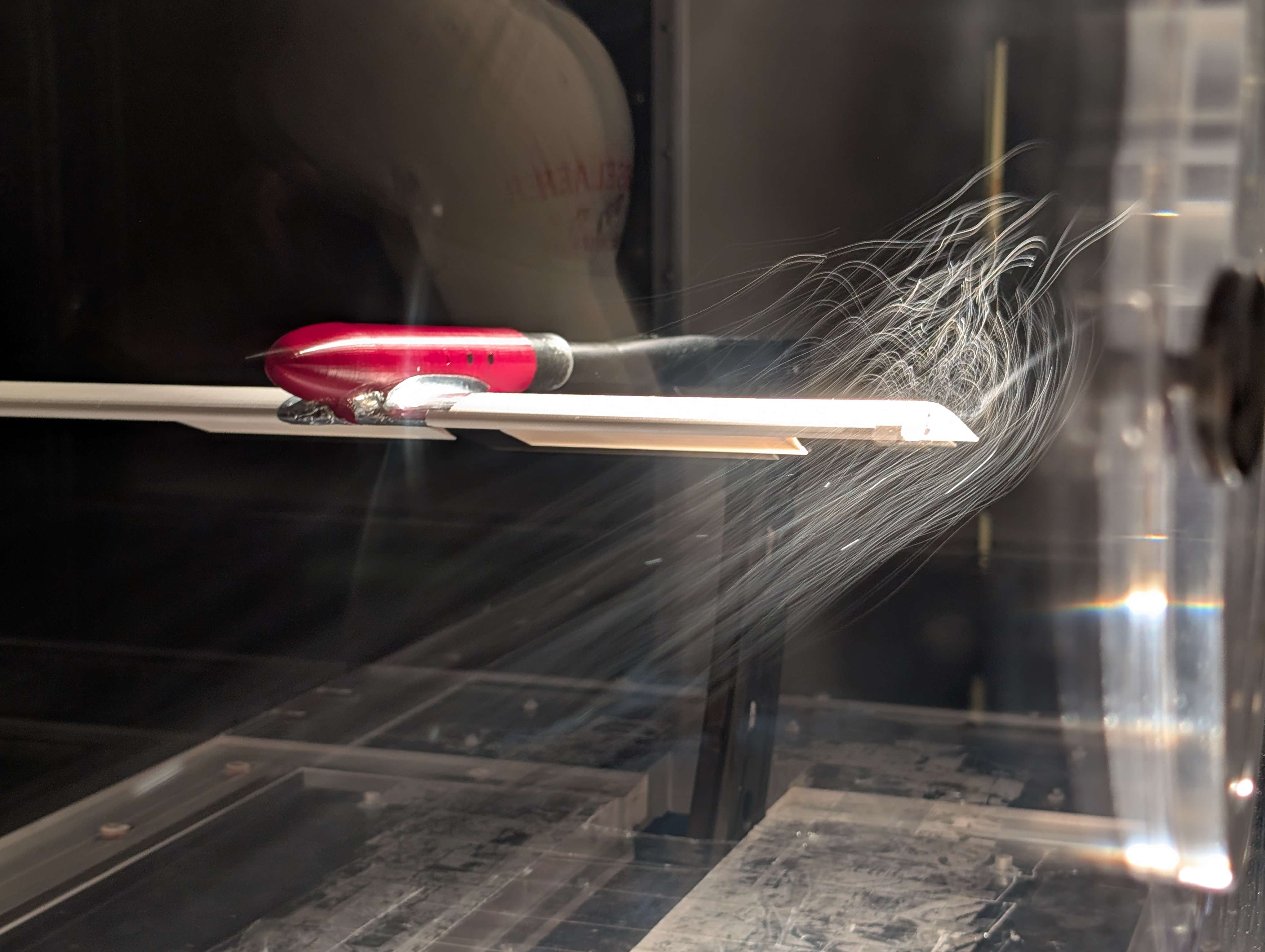
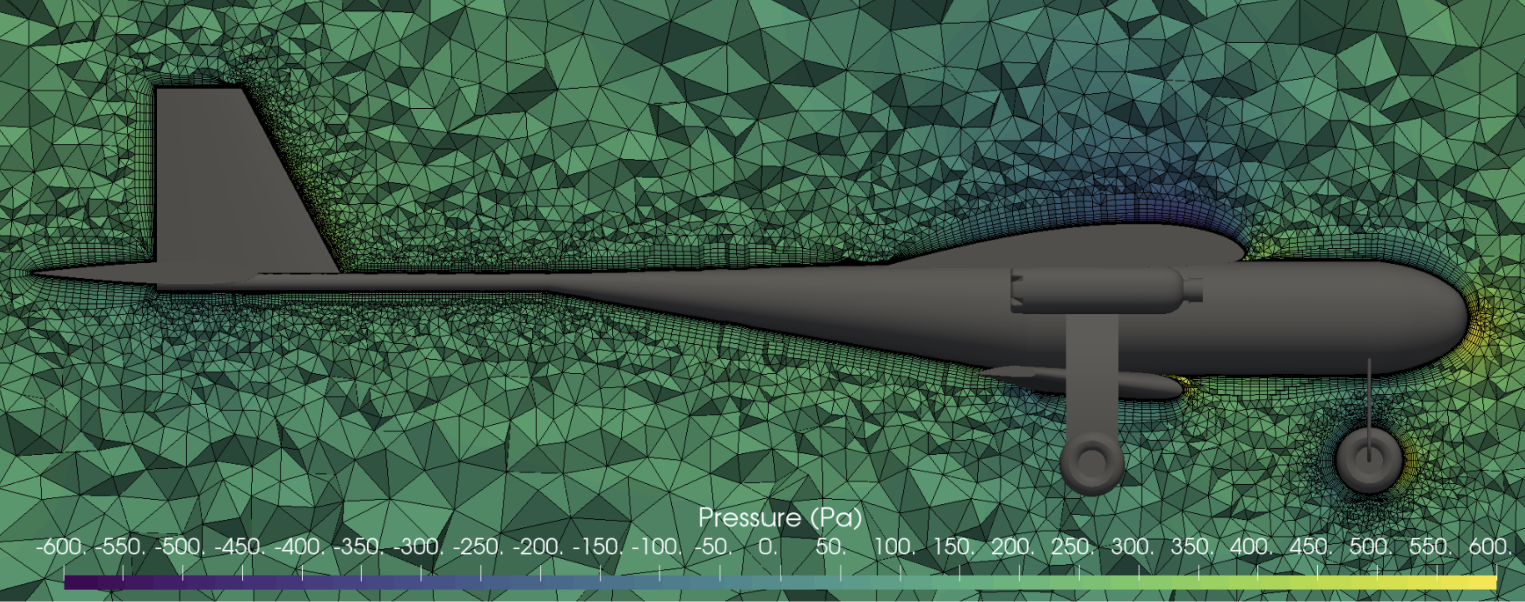
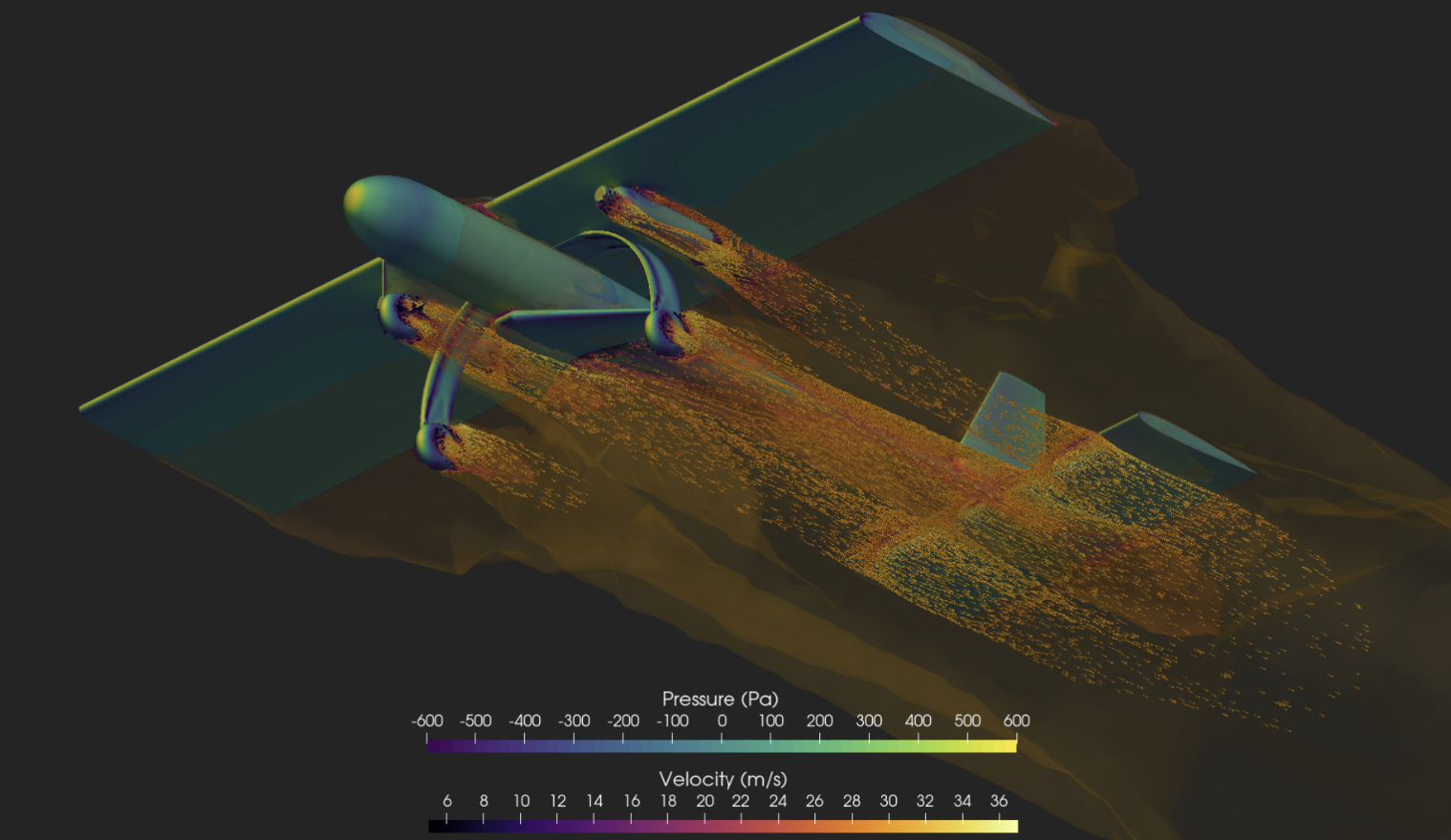
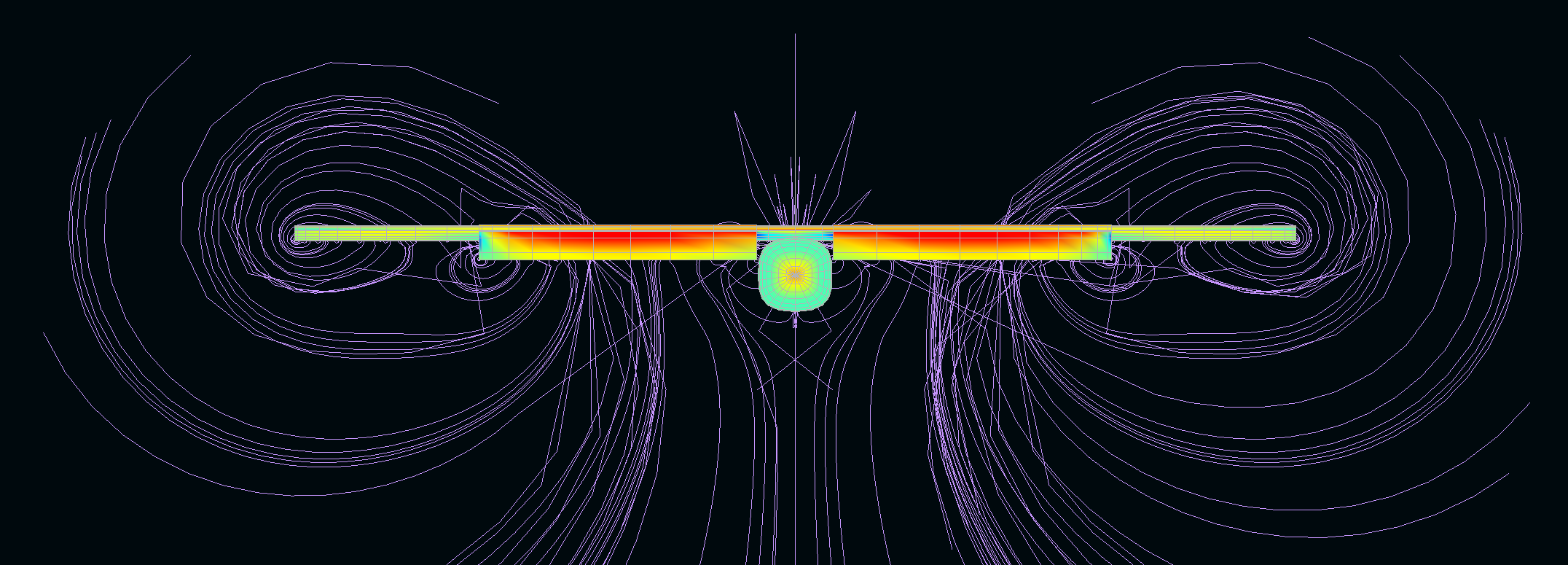
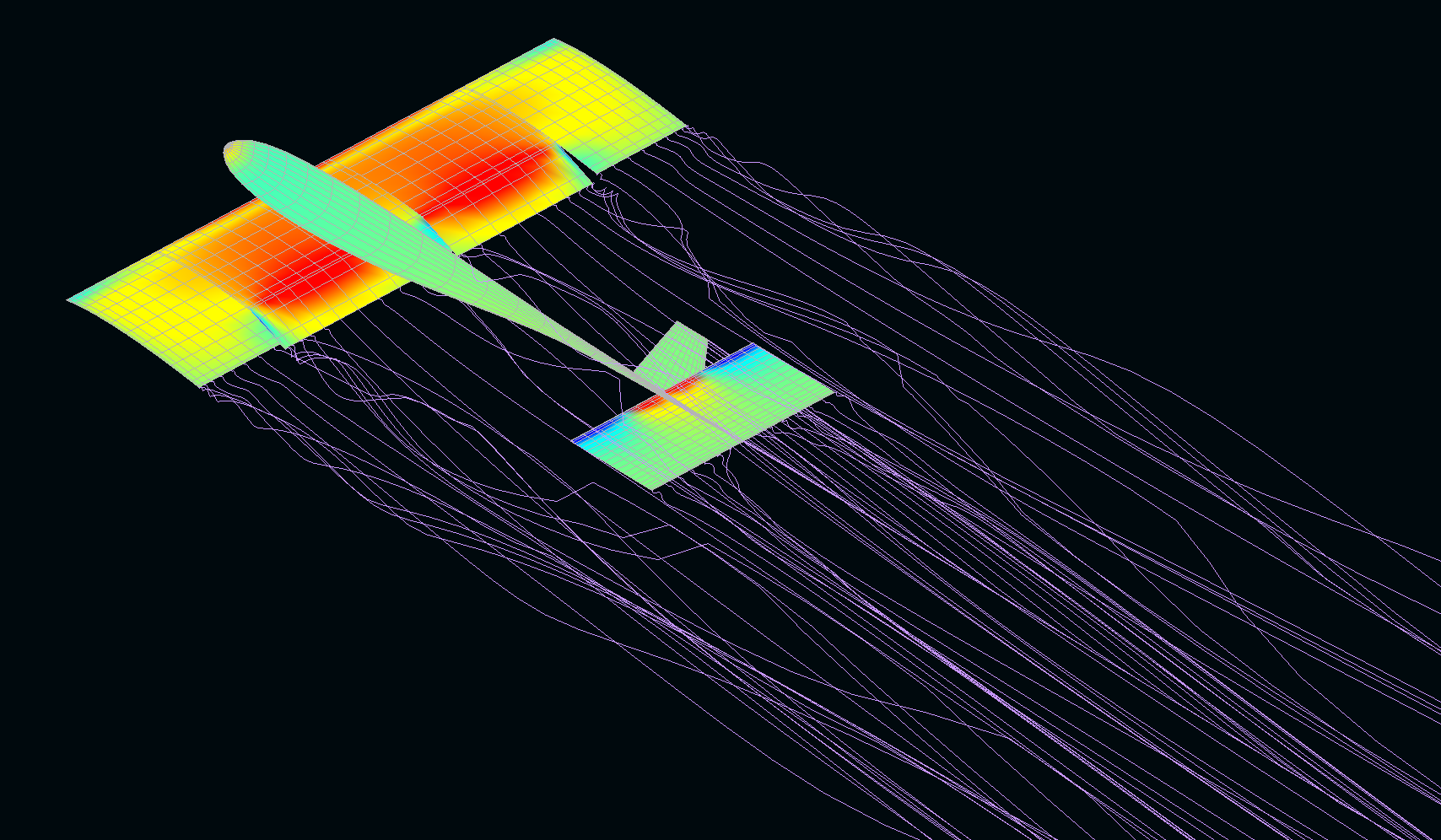
Responsible for airfoil selection, outer mold line definition, high-lift device design, and wind tunnel testing. This team utilizes computational tools such as XFLR5, STAR-CCM+, FlightStream, MATLAB, and Python.
Structures
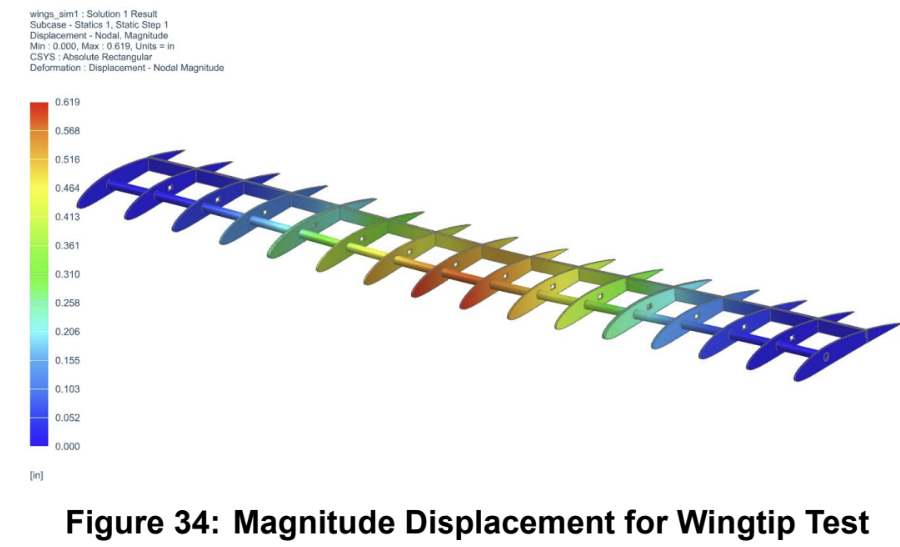
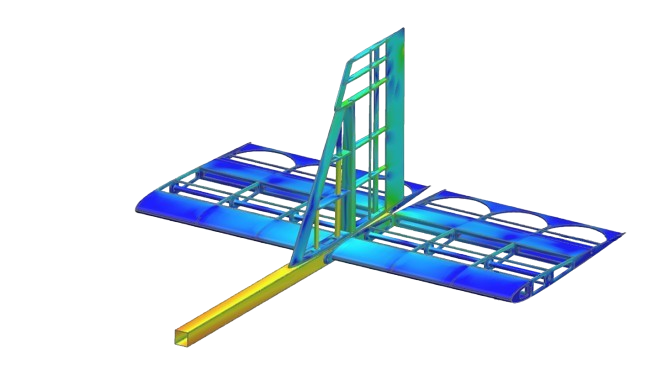
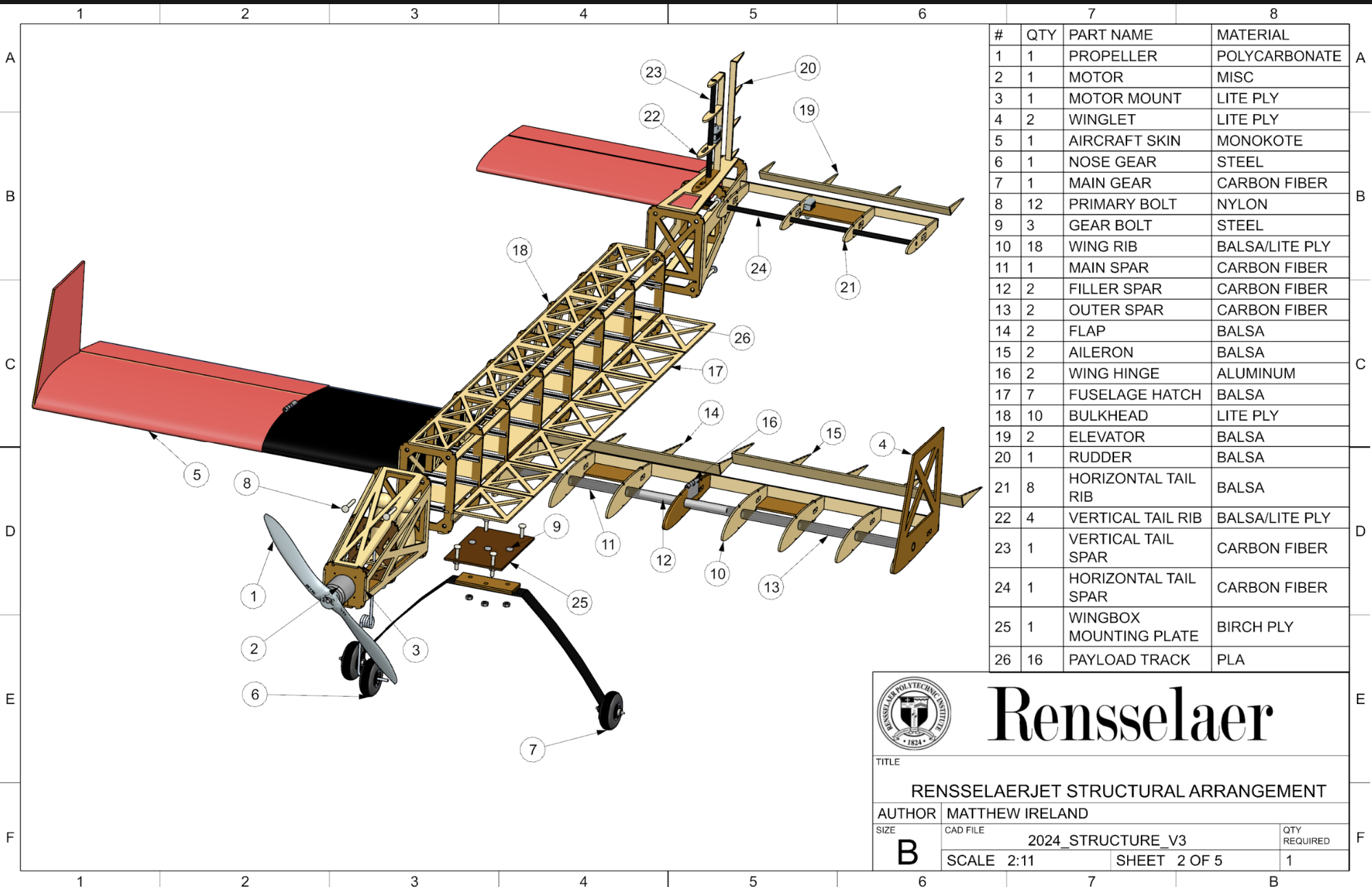
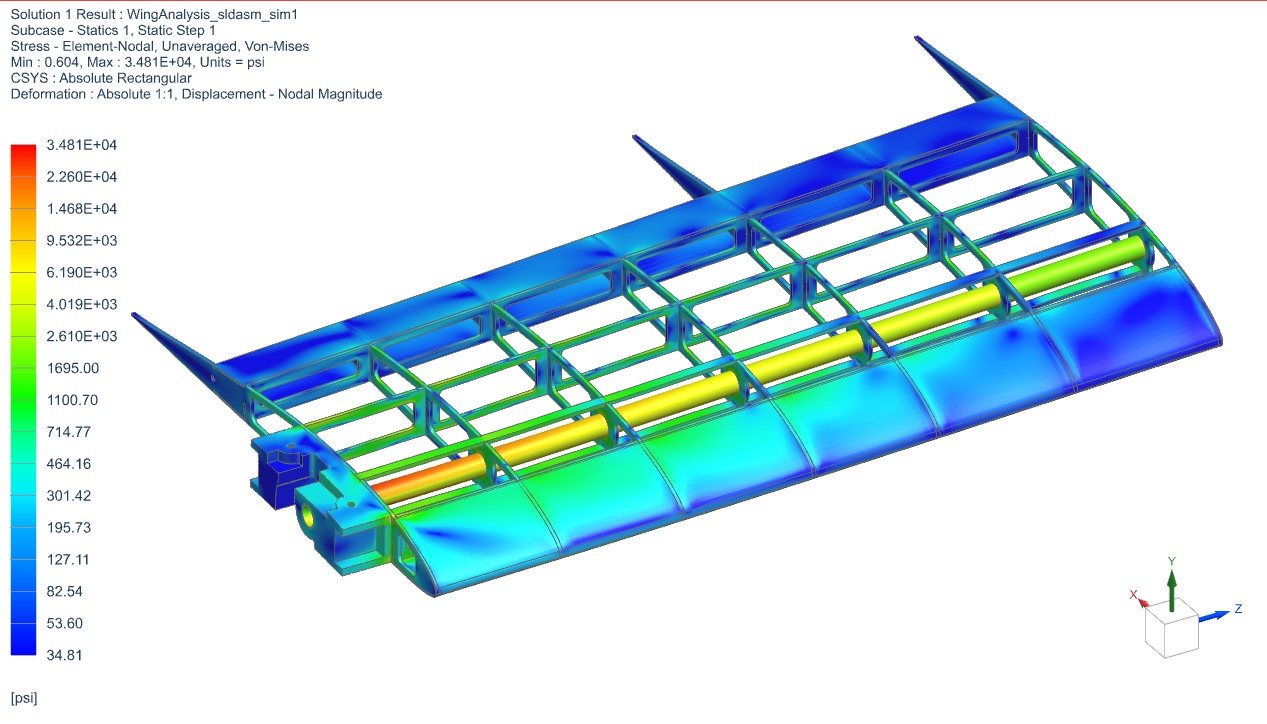
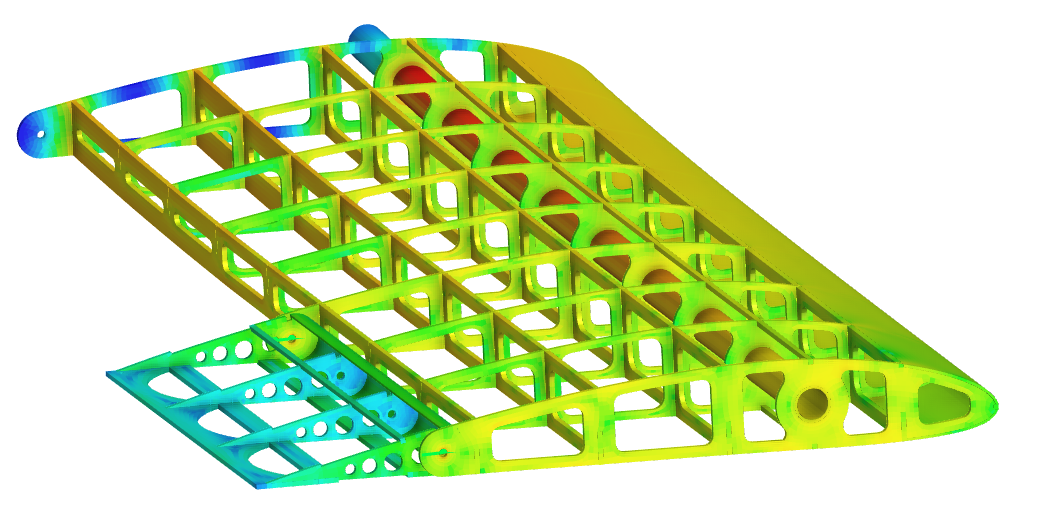
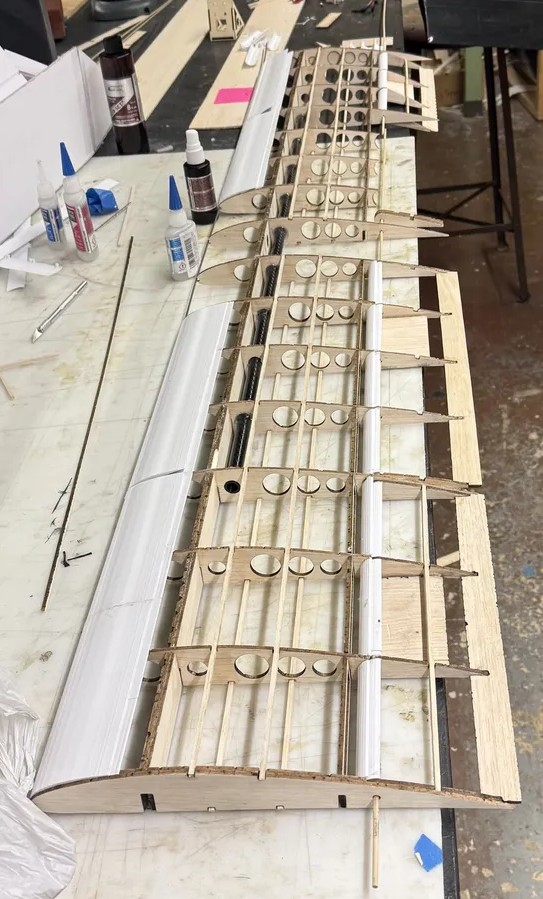
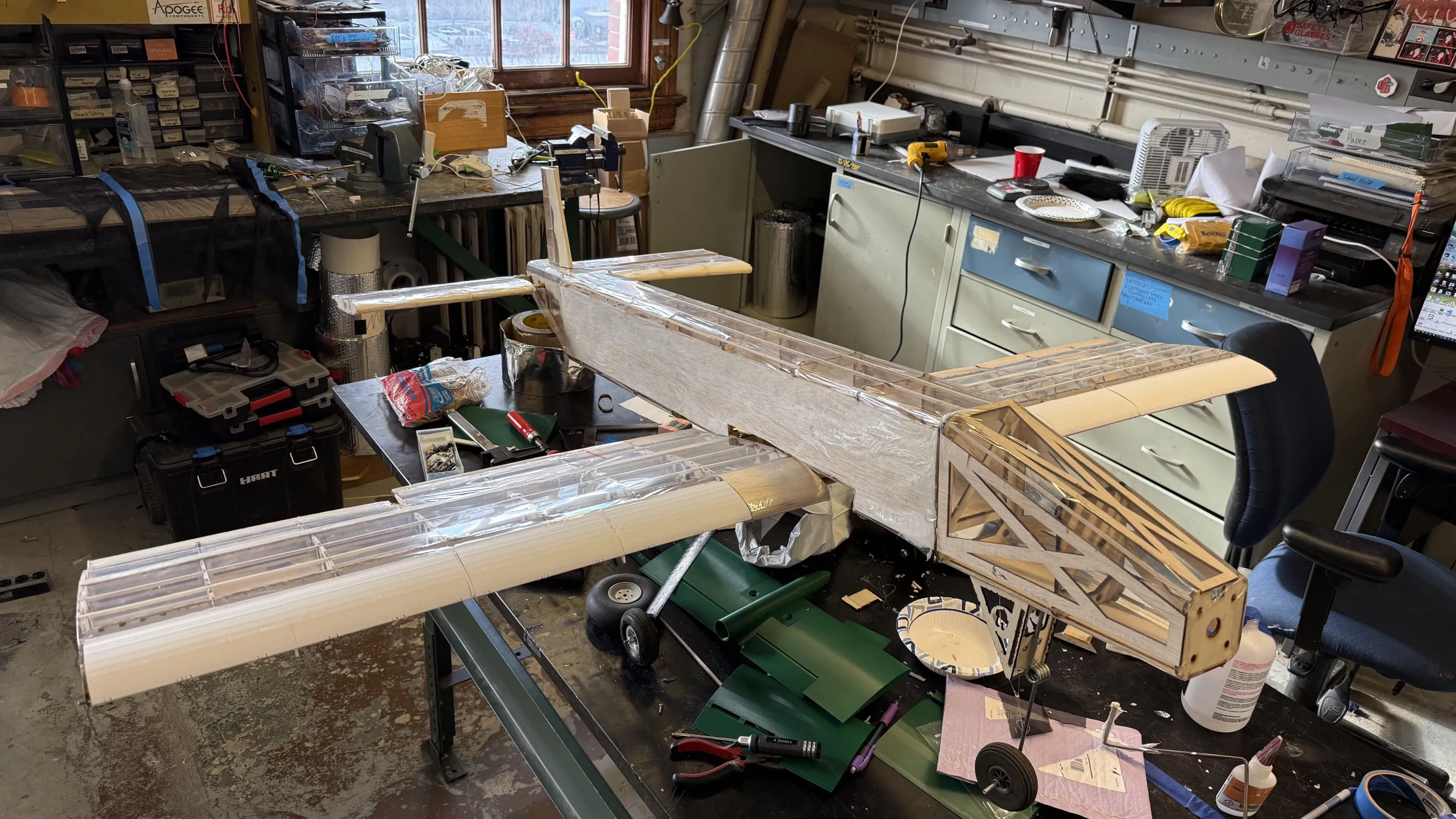
Tasked with creating the wing, fuselage, and tail structure, including materials selection and structural/composite analysis using Simcenter NASTRAN and FEA. This ensures our aircraft can withstand flight loads while remaining as lightweight as possible.
Manufacturing
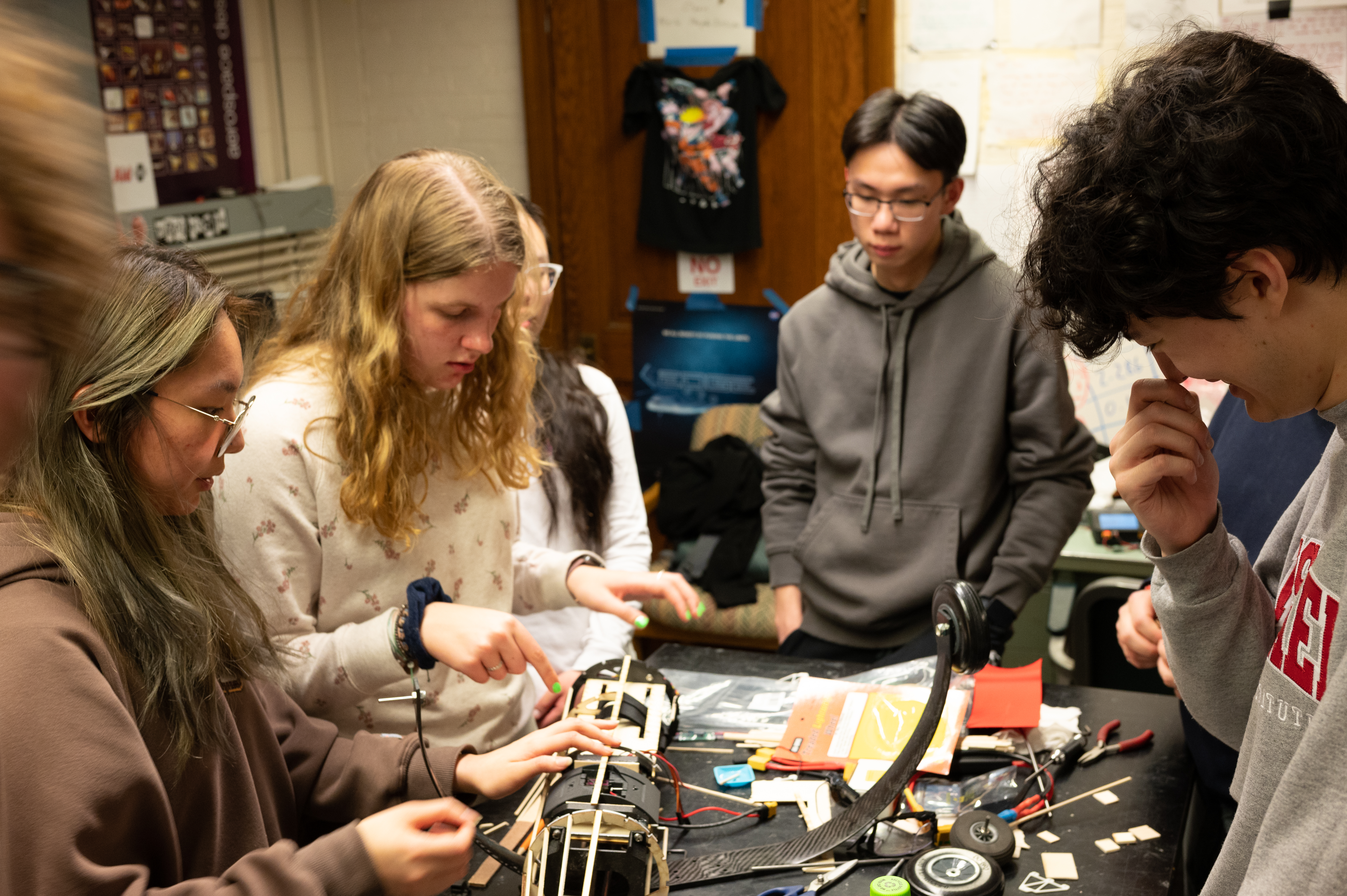
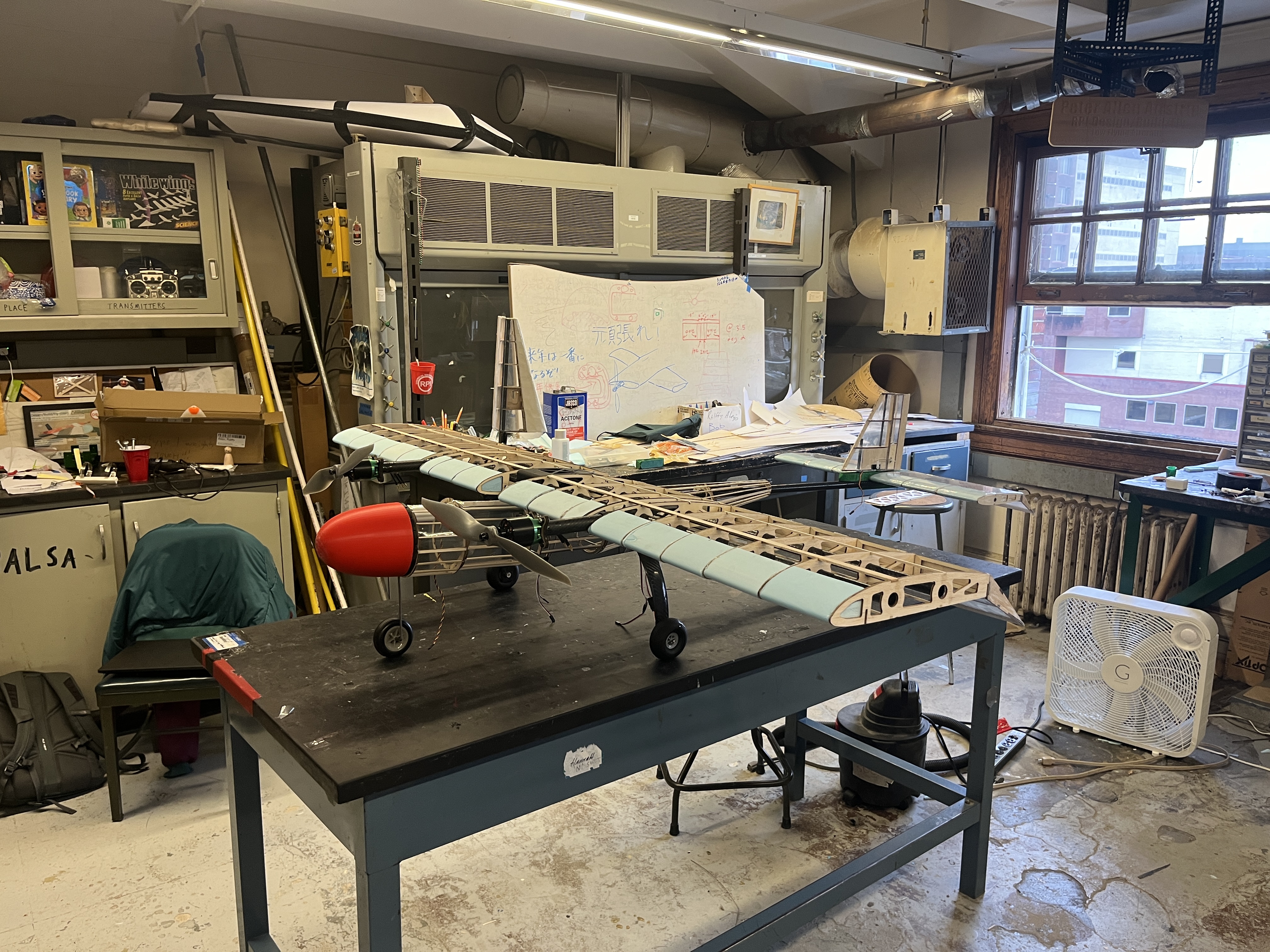
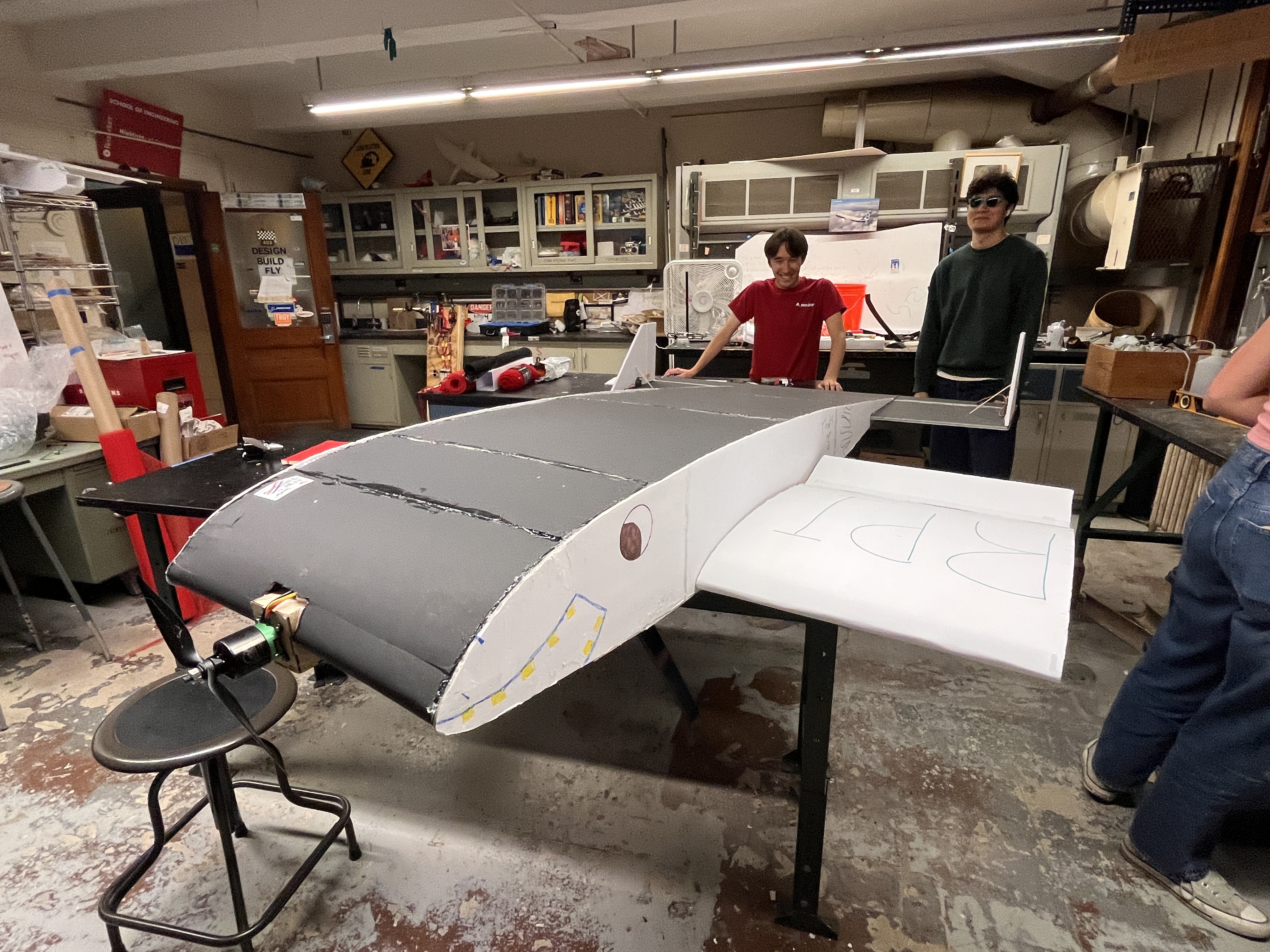
Focuses on translating CAD models to physical components and managing aircraft assembly, utilizing techniques such as wood manufacturing and carbon fiber layups. This team brings our digital designs into the real world.
Subsystems
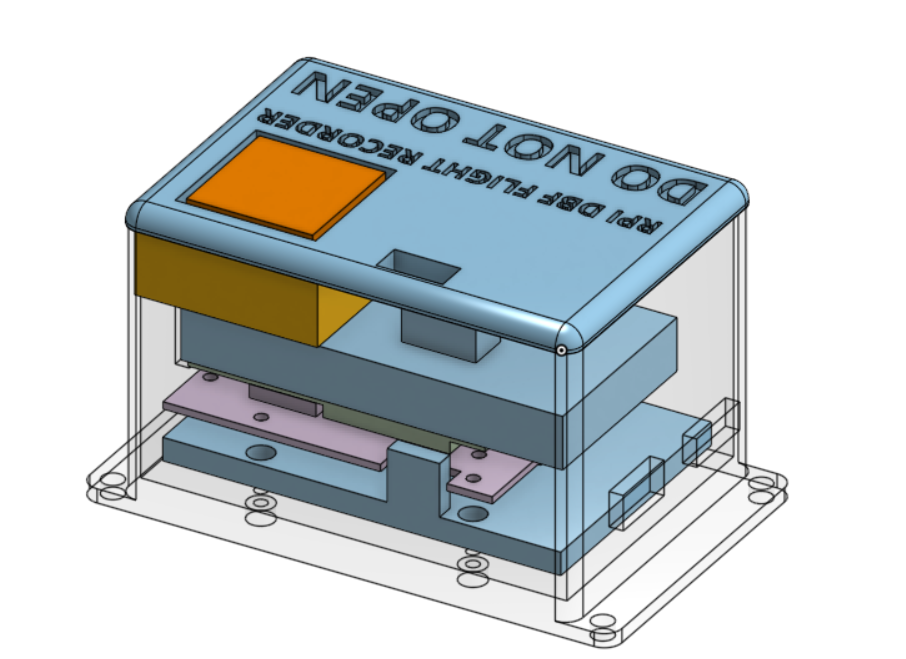
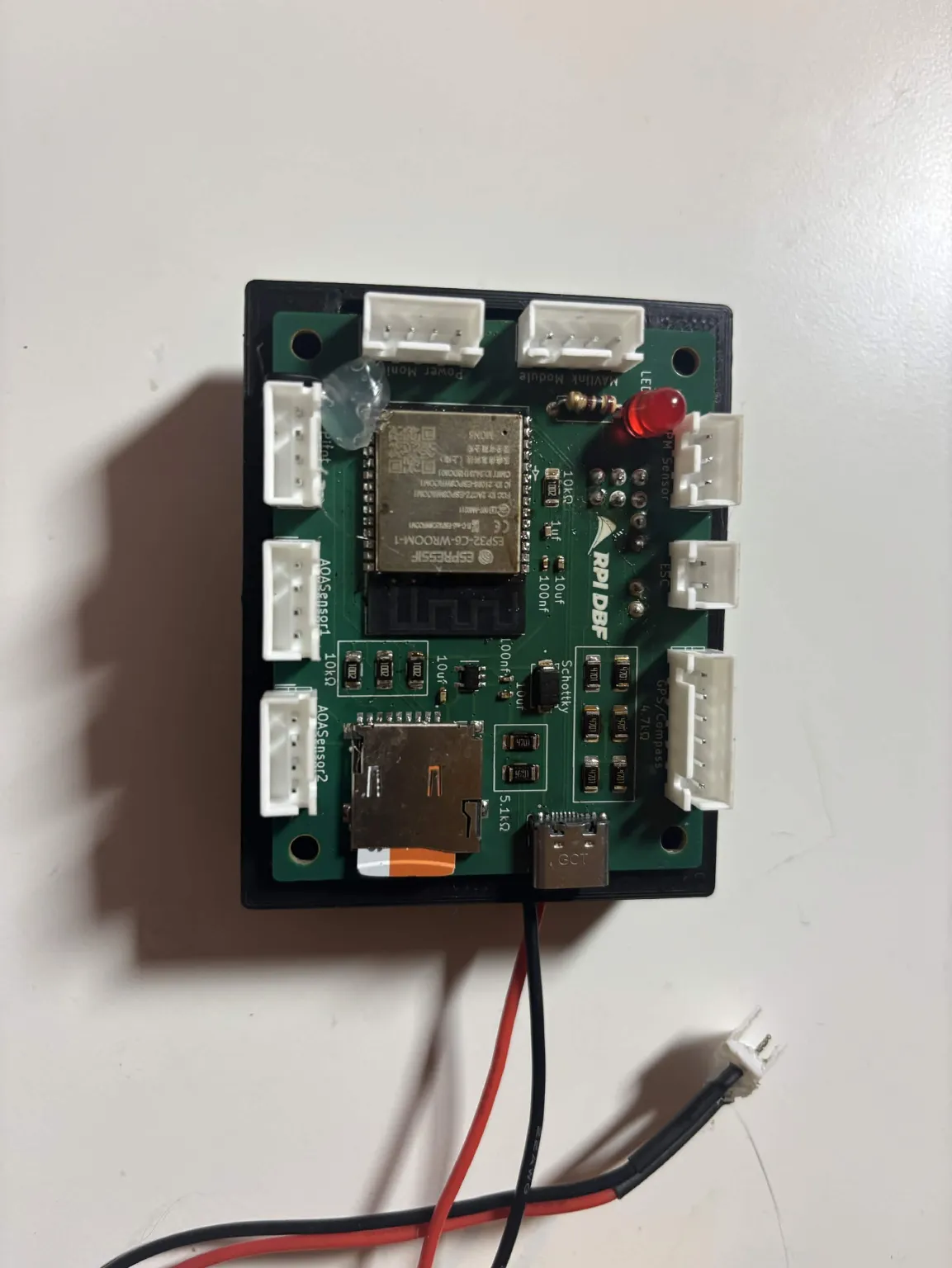
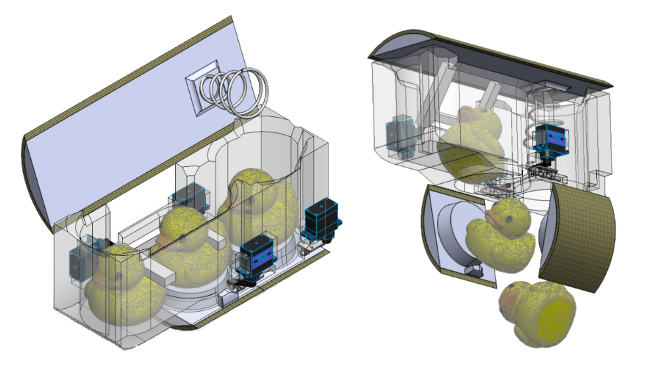
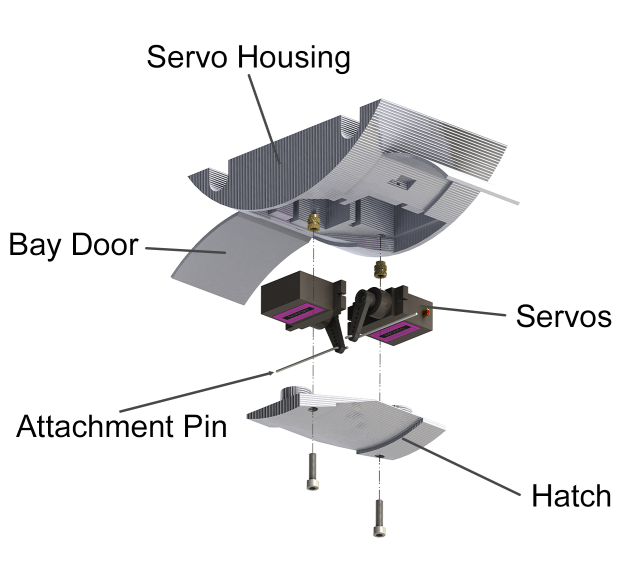
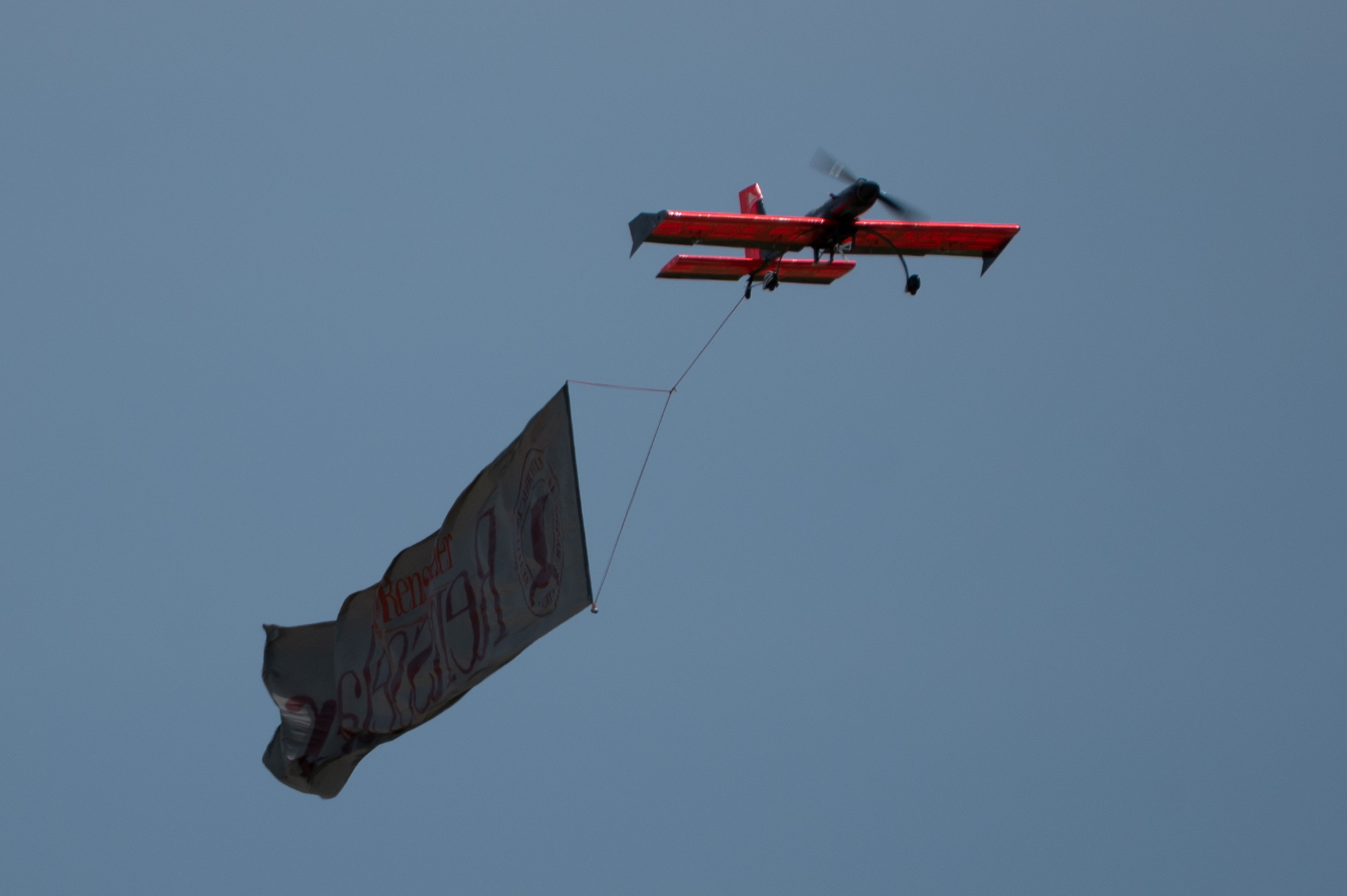
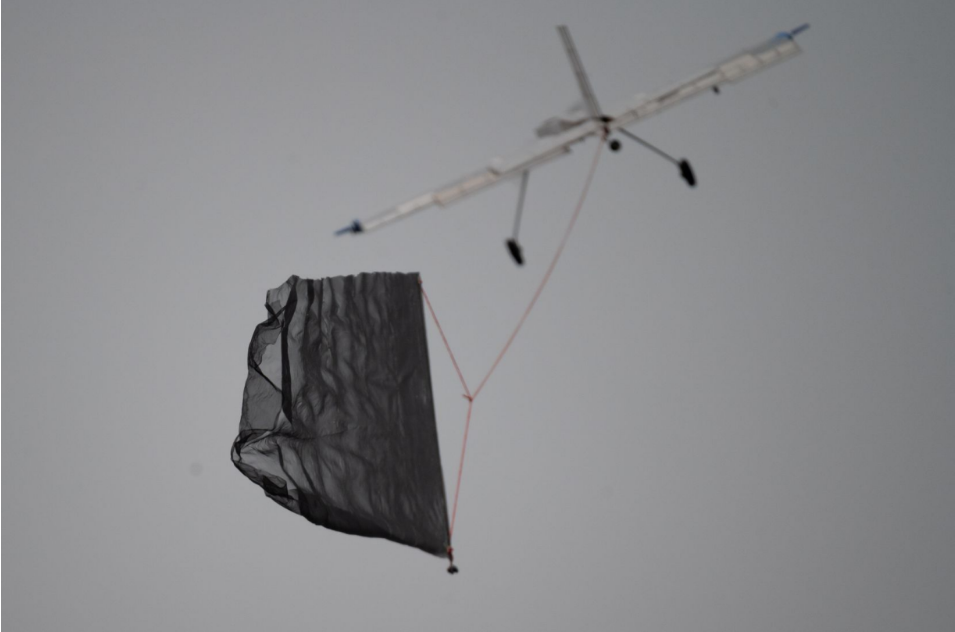
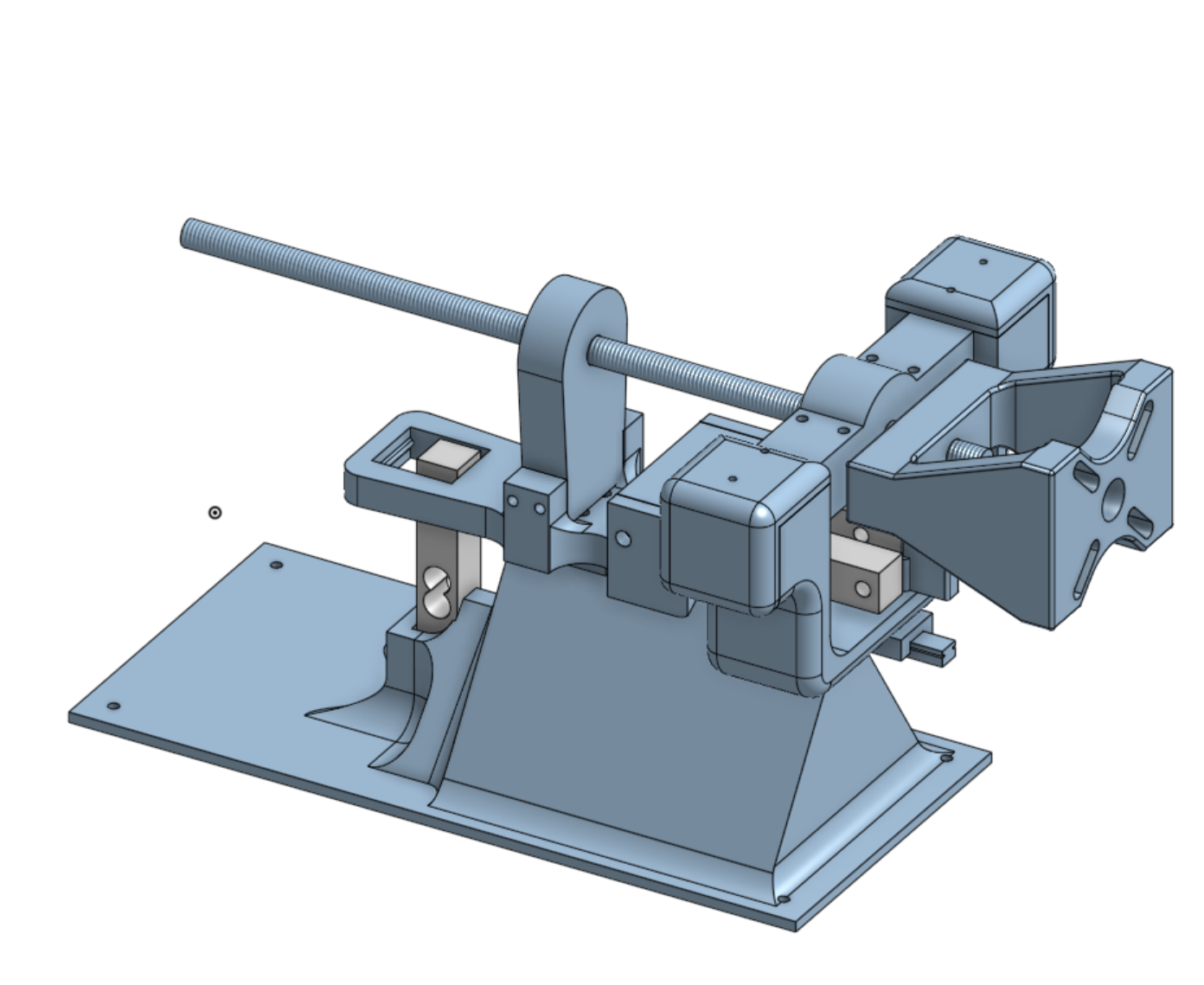
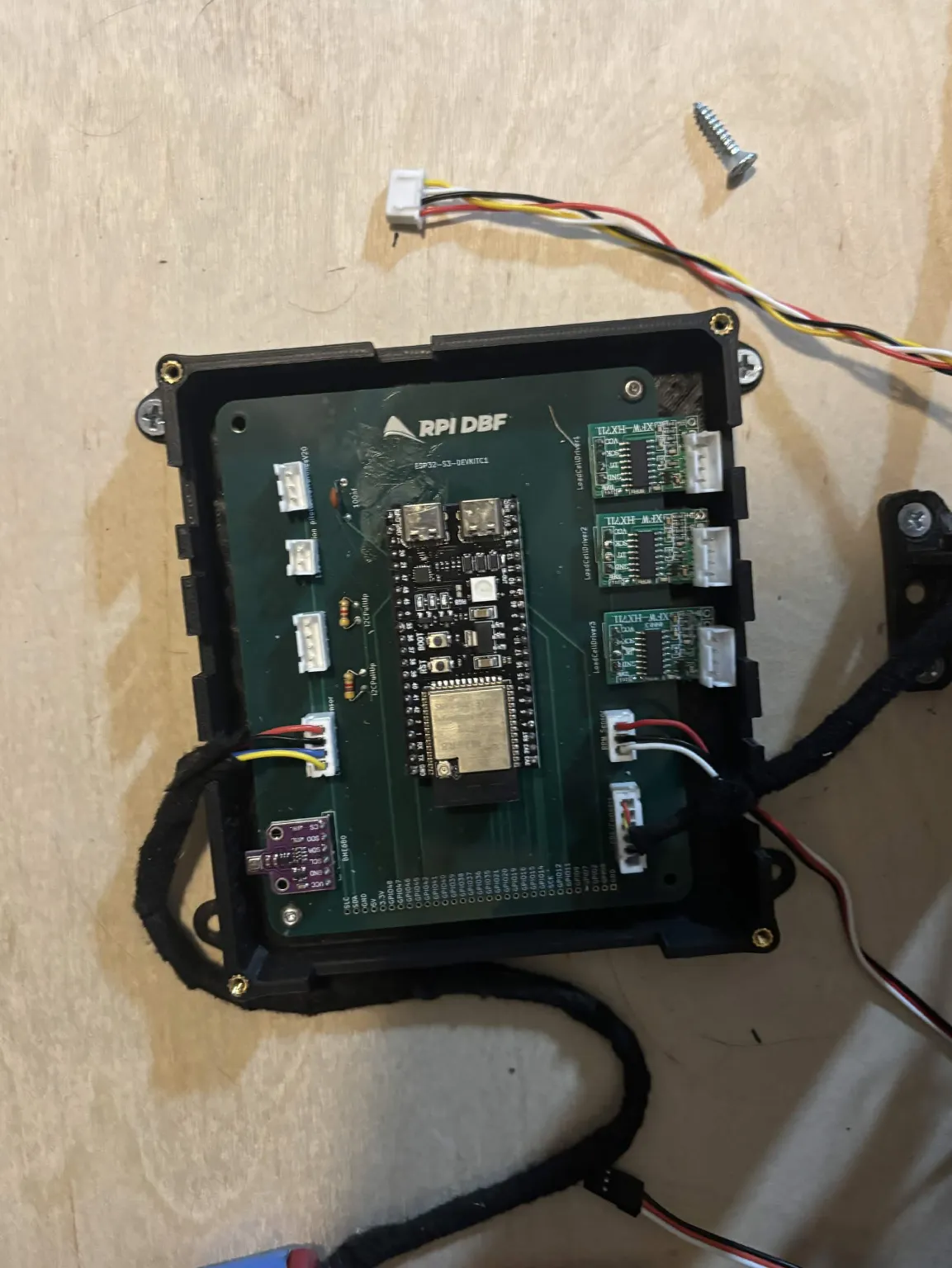
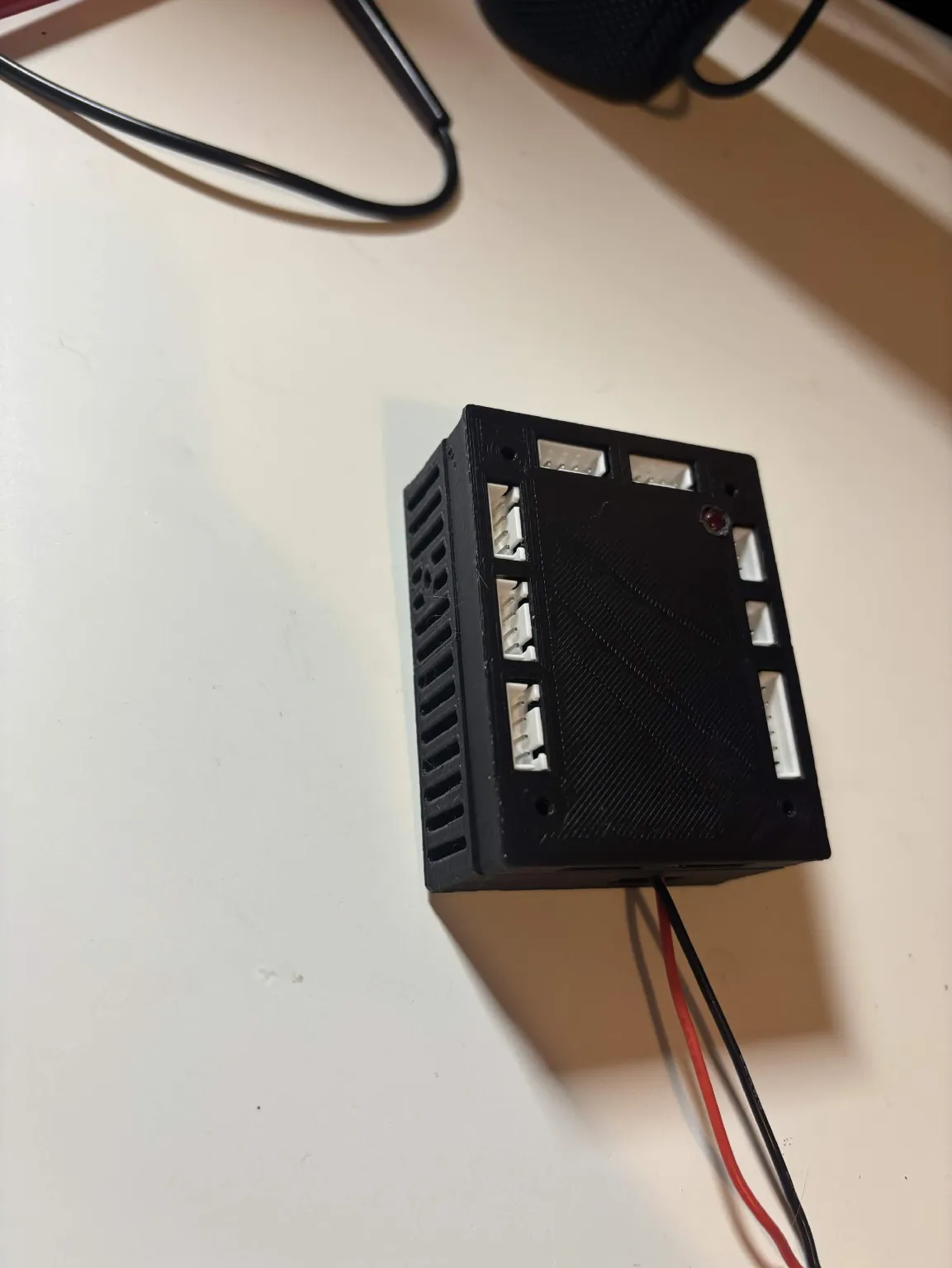
Manages the design, prototyping, and testing of mission-critical systems. This team handles payload integration, custom deployment mechanisms, and the electromechanical components required to satisfy the unique mission profiles of each competition year.
Special Projects
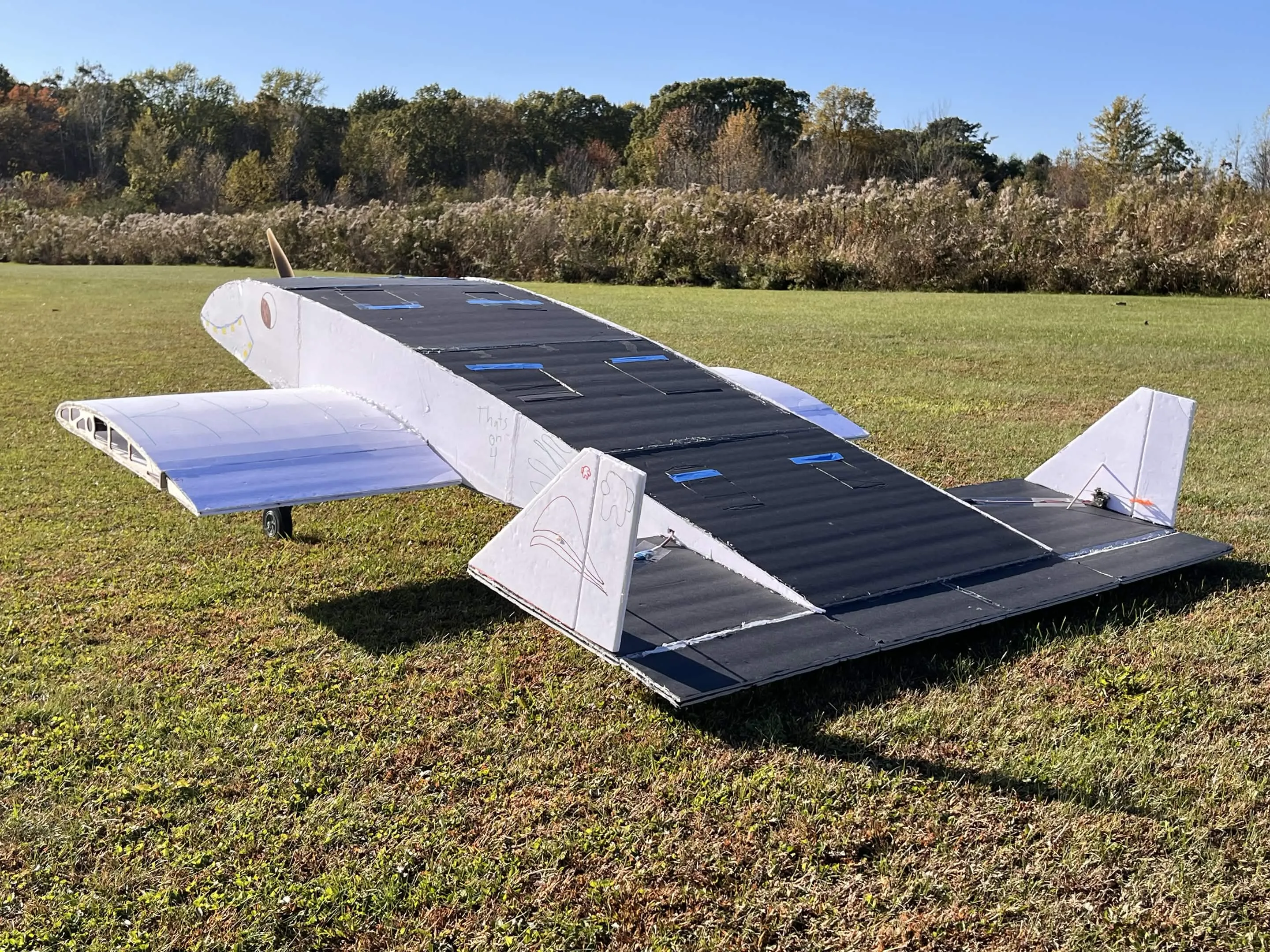
Dedicated to R&D, innovation, and model refinement, this team iterates on aircraft concepts throughout the design methodology cycle.
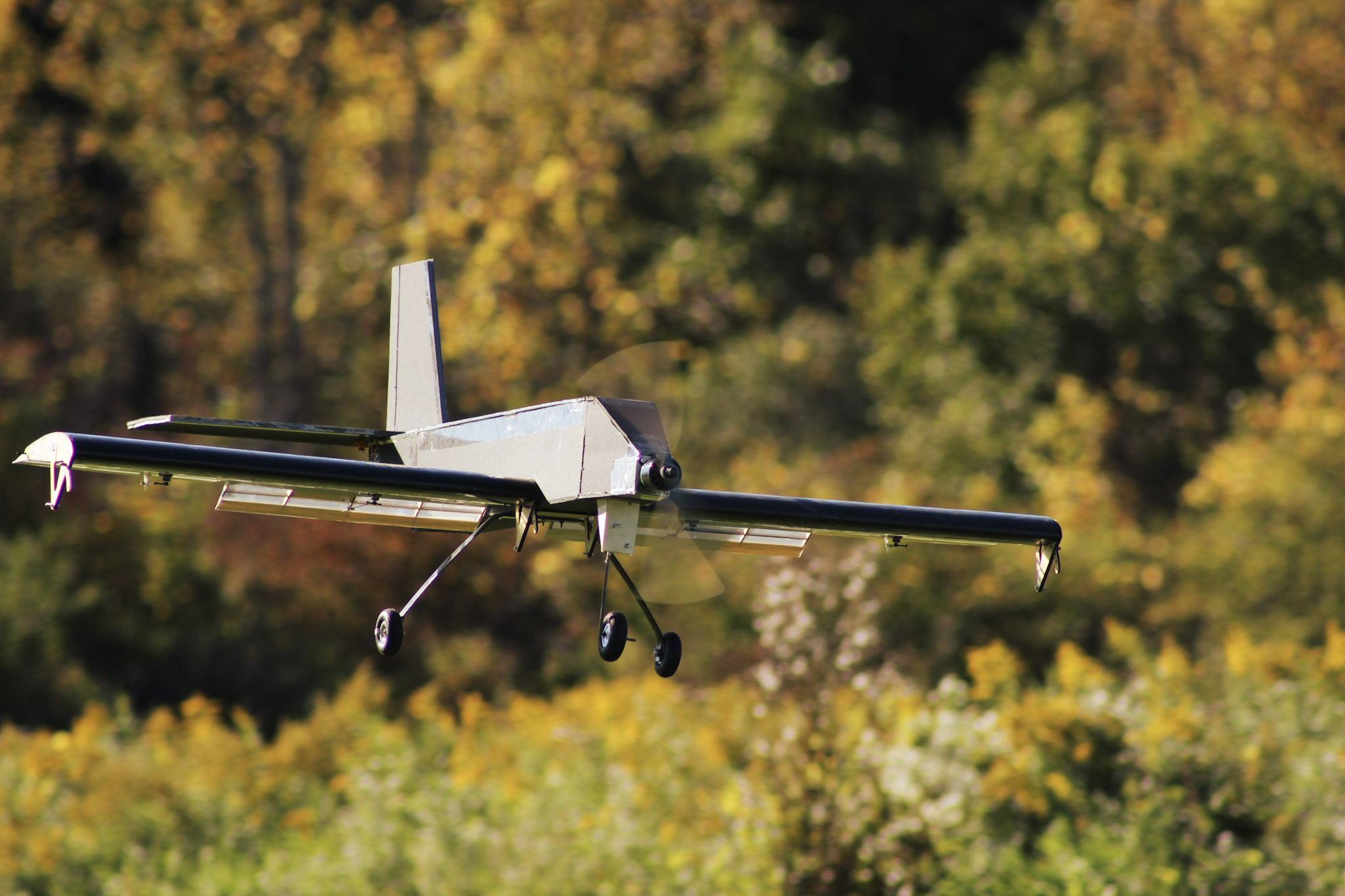
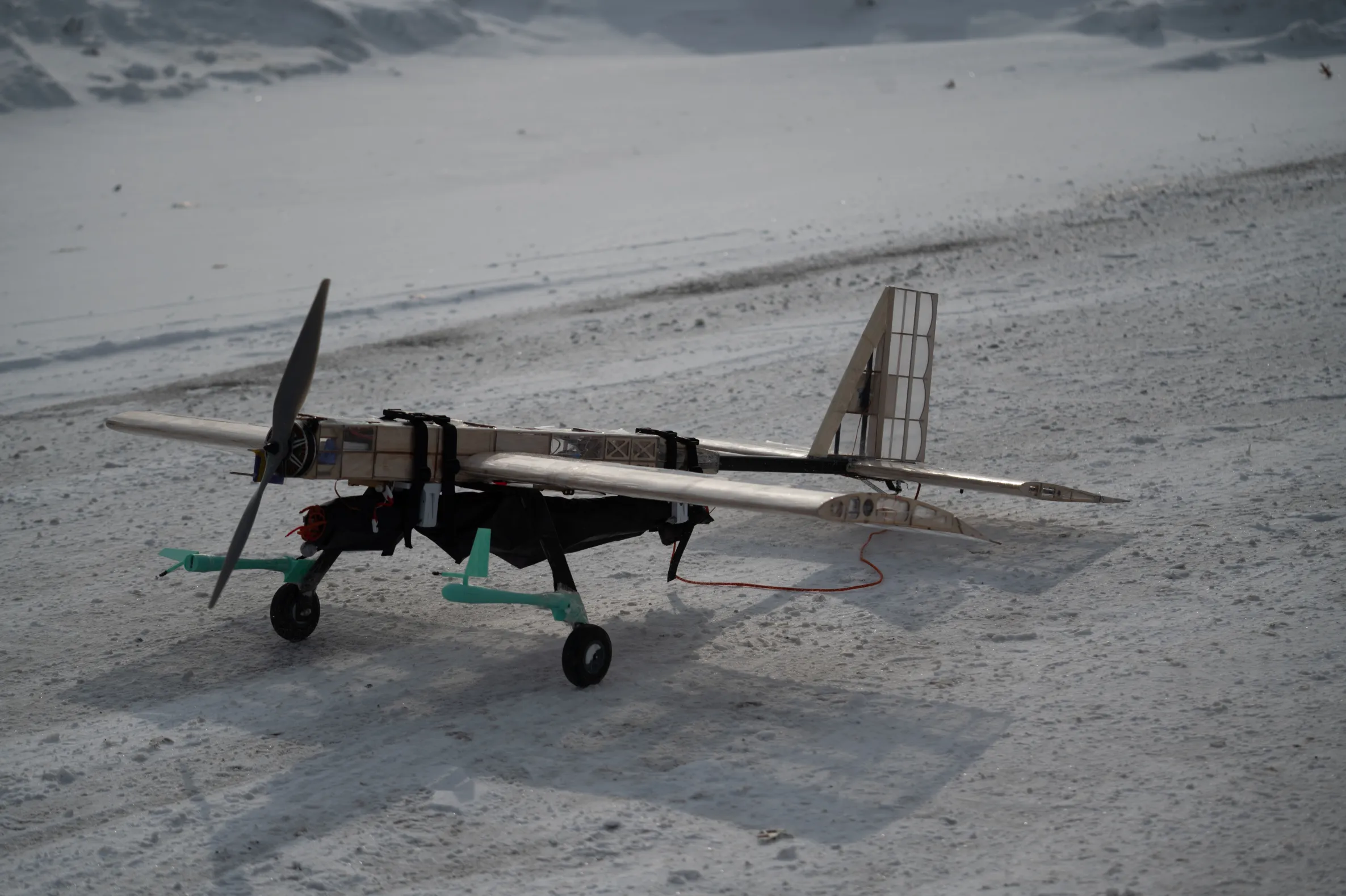
Photo Credit - Leah Corso-Greene
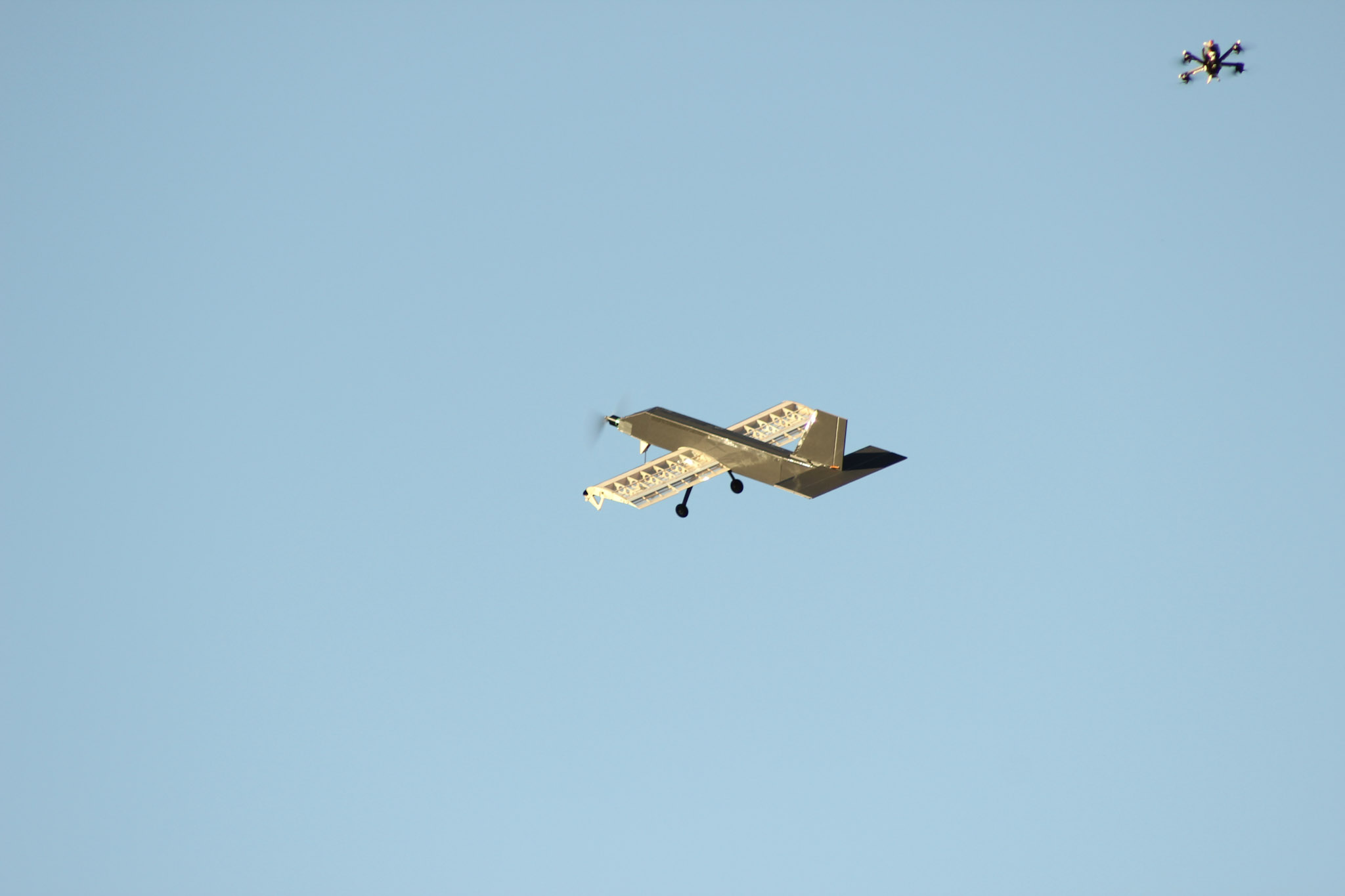
Photo Credit - Leah Corso-Greene
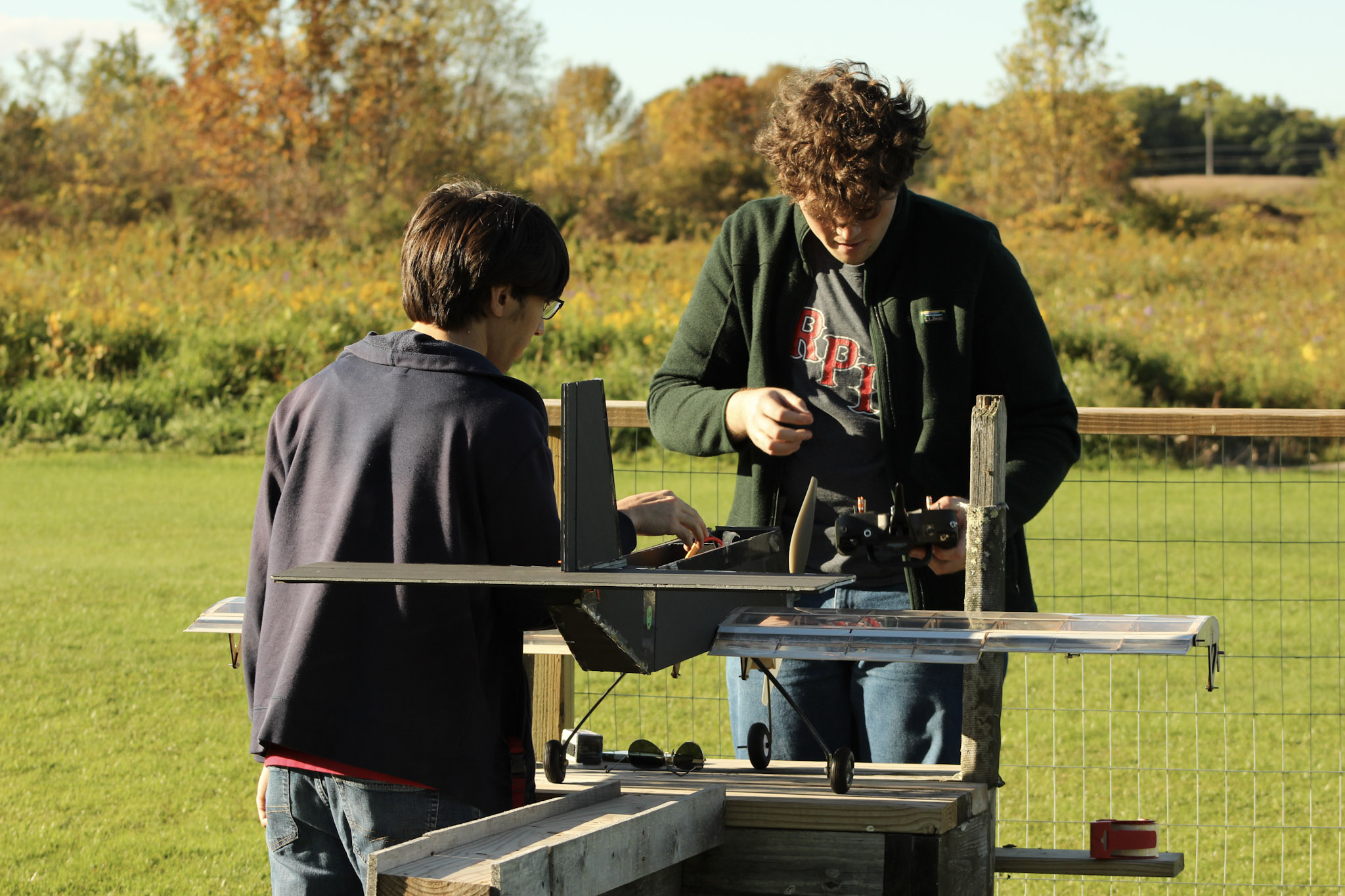
Photo Credit - Leah Corso-Greene
Propulsions
Responsible for motor, battery, and propeller selection. They utilize tools like eCalc and RC propulsion modeling to optimize flight performance.
Testing
Validates aerodynamic modeling, structural capabilities, and subsystem performance through ground, wind tunnel, and flight testing.